By Miracle Agbo Lafia
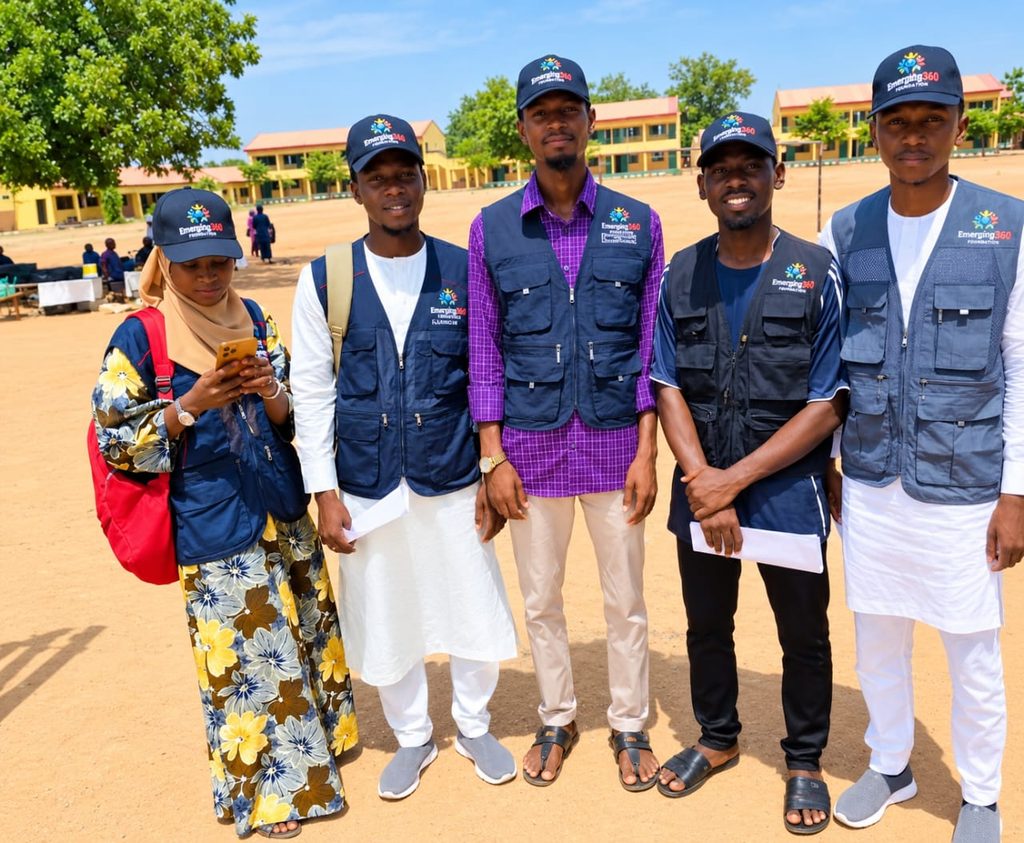
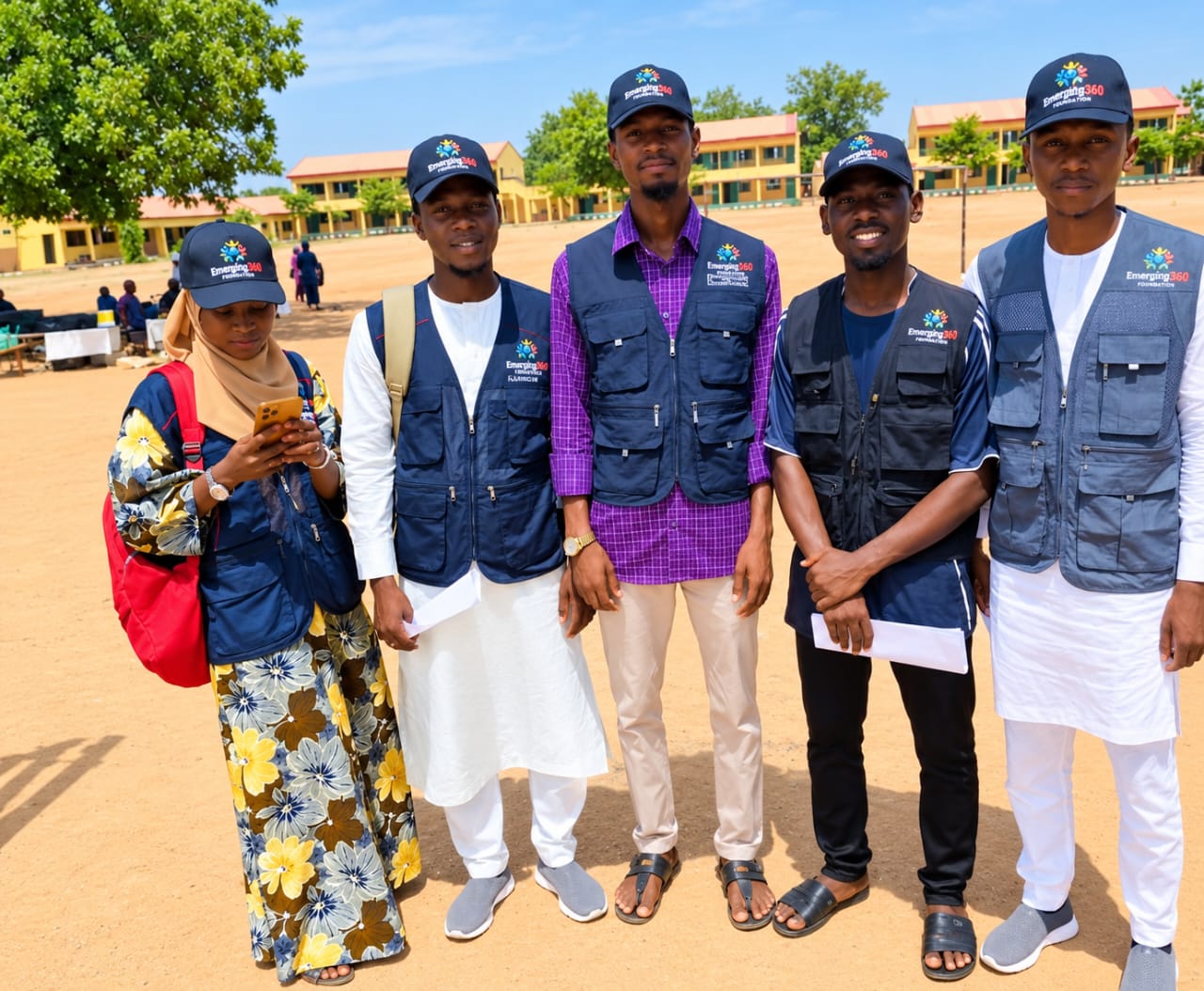
Prosperity360 (P360), a non-profit development organisation, has supported 300 micro-entrepreneurs across Adamawa, Katsina, Taraba and Lagos states, as well as the Federal Capital Territory (FCT).
The programme held in Abuja on Friday is an initiative aimed at strengthening small businesses and improving household financial stability.
The intervention is being implemented through the Micro-Livelihood Acceleration Programme (MicLAP), launched in June 2026 to support informal traders, artisans, food processors and smallholder farmers facing inadequate working capital, rising operating costs and limited access to formal financial services.
According to P360, the programme combines productive business inputs with practical coaching, individual business planning and follow-up support to help beneficiaries strengthen their businesses and build more sustainable livelihoods.
The initiative comes amid growing concerns over the vulnerability of Nigeria’s informal economy, which provides livelihoods for millions of people but remains exposed to economic shocks, rising costs and limited financial protection.
The National Bureau of Statistics reported that approximately 93 per cent of employed Nigerians were engaged in informal work in the second quarter of 2024.
Similarly, a 2025 survey by financial services firm Monie point found that 44 per cent of informal business owners generated less than ₦20,000 in daily revenue, while 79 per cent reported rising operating costs. About 42 per cent also lacked sufficient savings to survive a month without income.
The World Bank Group’s Nigeria Development Update estimated that Nigeria’s poverty rate reached 63 per cent in 2025, affecting approximately 140 million people.
Against this backdrop, MicLAP seeks to address some of the practical challenges confronting small business owners by helping them access essential resources, improve financial management and strengthen their ability to withstand economic shocks.
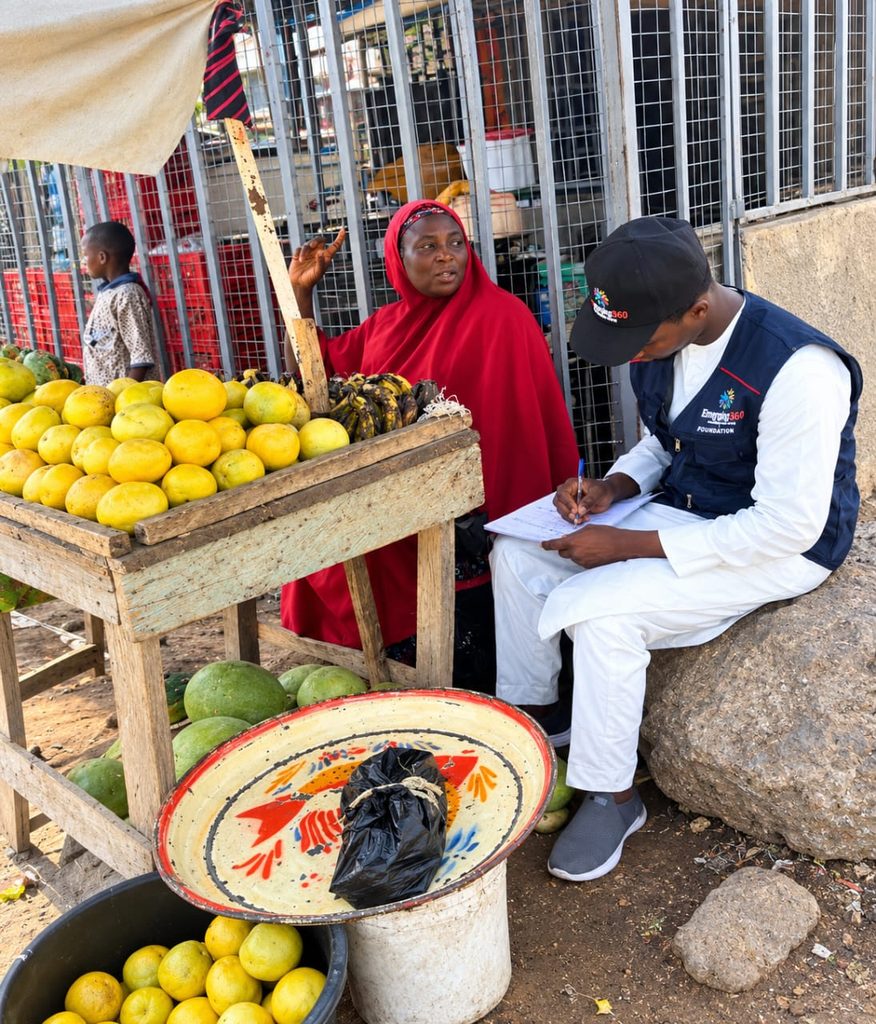
P360 said each beneficiary underwent an assessment to identify specific business needs and operational constraints before developing an Individual Prosperity Plan outlining practical objectives and measurable milestones.
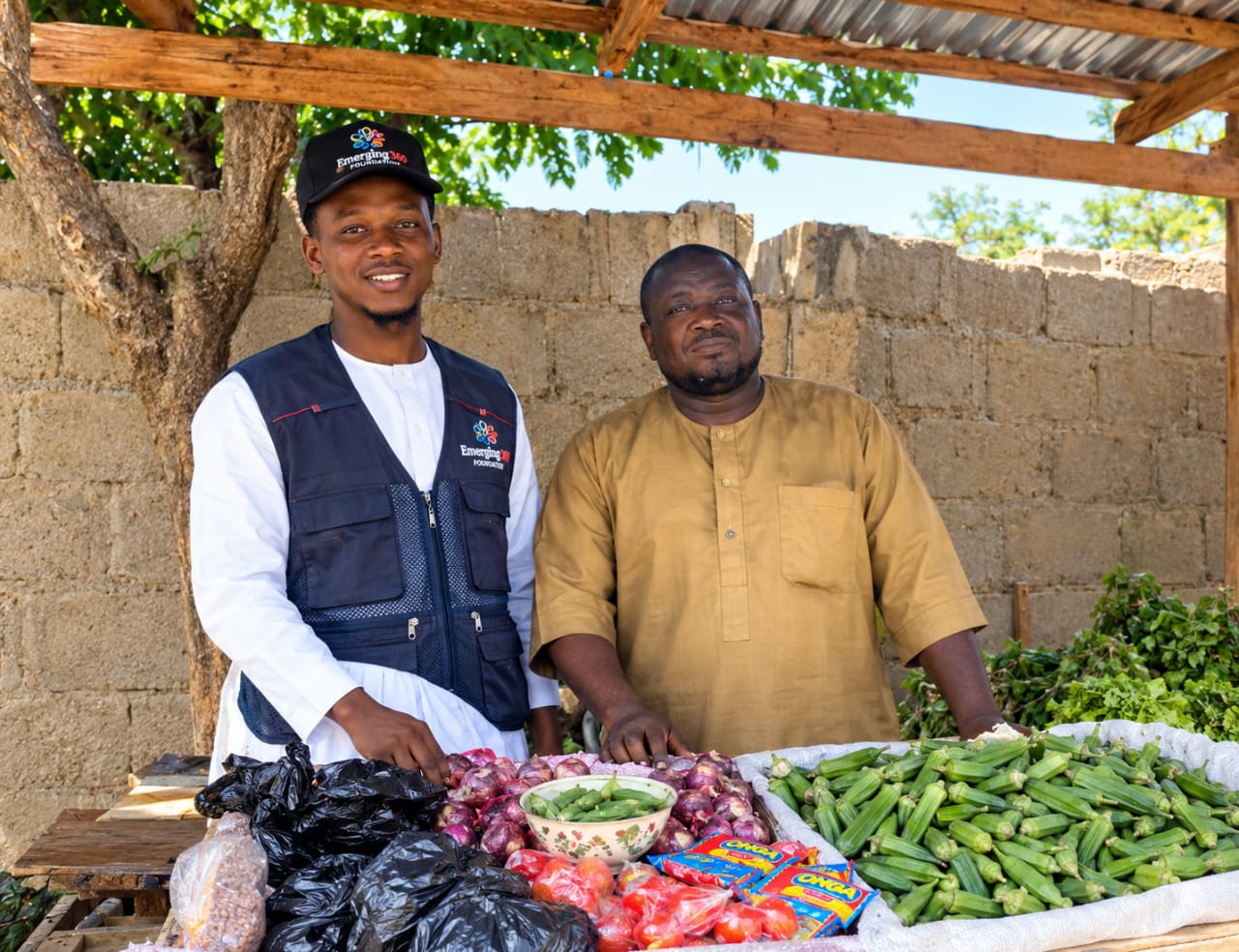
Through the programme, participants received support to acquire business stock, raw materials, tools and other productive inputs relevant to their trades. The intervention is designed to reduce supply disruptions, sustain business operations and improve beneficiaries’ capacity to meet customer demand.
Beyond material and financial assistance, the programme provides coaching in key areas of business management, including pricing, stock control, record-keeping, cash management and business reinvestment.
P360 said it was also tracking progress across four key areas: access to productive resources, business management, household financial resilience and market participation.
The organisation expects the interventions to help beneficiaries make better business decisions, manage household expenses more effectively and gradually build savings to cushion the effects of unexpected financial difficulties.
Speaking on the initiative, P360’s State Coordinator in Adamawa State said many small business owners had the determination to succeed but lacked the resources and systems needed to grow sustainably.
“The people we met were not short of effort. What they lacked was working capital, simple business systems and a cushion against shocks. Our goal is to ensure that capital, combined with coaching and regular follow-up, can make a lasting difference and to measure the results,” the coordinator said.
P360 said it would report the programme’s impact after conducting follow-up assessments to determine changes in beneficiaries’ business performance, income stability, financial resilience and market participation.
The organisation added that the assessments would help establish whether the combination of productive inputs, business coaching and continued support was translating into measurable improvements in the livelihoods of participating entrepreneurs.