By Samson Obande, Lafia
The Kadarko Traditional Council has rejected claims linking the history and ownership of Kadarko community to the Tiv people, insisting that Kadarko is an Alago ancestral settlement and that Tiv residents remain settlers.
In a rejoinder signed by Abdullahi Usman Ishaleku, the Sardauna Kadarko, the Council was responding to an article by King Iorshe, a public affairs commentator, on the history, indigeneity, land, and traditional institution of Kadarko.
The Council said it was compelled to respond “in the interest of equity, fairness and clarity, and in order to put the historical record straight.”
The statement traced Kadarko’s origin to Kwararafa, noting that Alago communities migrated and settled in the area many centuries ago, with historical movements linked to Ikushigye as far back as the 12th century.
“Kadarko is an Alago-speaking community. The customs and traditions of Kadarko are those of the Alago people, with the traditional institution headed by the Osokadoko of Kadarko. The Osokadoko stool is hereditary,” the statement read.
On Tiv presence, the Council said individuals and families mentioned in the article, including Nyamadaga, Mori Berga, and Incha Kando Atuma, settled in Kadarko “with the knowledge, acceptance and consent of our traditional rulers.”
It added that evidence shows taxes and tribute were paid to the traditional authorities of Kadarko.
“Our position is therefore clear: the Tiv people in Kadarko are longstanding settlers whose presence in the community dates back decades. We acknowledge and respect their residence and contributions. However, length of settlement should not be confused with original indigeneity or ancestral origin.”
The Council dismissed the claim that U’uppu River was named after a Tiv man. It said the river is known in Alago as “Ibu”, meaning water from a spring, while the Gwandara called it “Tsetseni.” It also said the area referred to as “Ijor Cha” is known in Alago tradition as “Okpa-Shosha”, meaning a cool stream.
On the St. Anthony Catholic Church reference, the Council argued that missionary establishments exist across Alago and other communities in Nasarawa South and do not confer ownership.
“The existence of St. Anthony churches cannot, by itself, establish the ownership or original identity of a community.”
The statement further noted the stream retains cultural significance to the Alago people and is linked to traditional practices and shrines.
The Council defended the 30th Osokadoko of Kadarko, describing him as custodian of Kadarko customs. It cited a 1924 colonial boundary instrument which it said established that the land belonged to the Alago people of Kadarko.
“Nasarawa Province covered the entire Nasarawa South Senatorial District. Therefore, any Tiv person who crossed over and settled in any part of Kadarko remains a settler and a subject of the Kadarko Chiefdom.”
The Council concluded that population does not determine ownership or native status and called for continued harmony while maintaining the historical distinction between settler and indigene.
“Our position remains that the Tiv people in Kadarko are historically settlers rather than the indigenous or native people of Kadarko.”
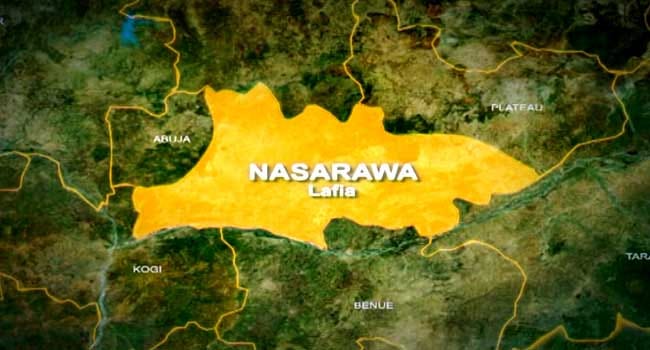
Kadarko is a major town in Nasarawa State with mixed populations. Debates over indigeneity, land, and traditional leadership have resurfaced in parts of Nasarawa South amid discussions on identity and governance.