By Our Reporter
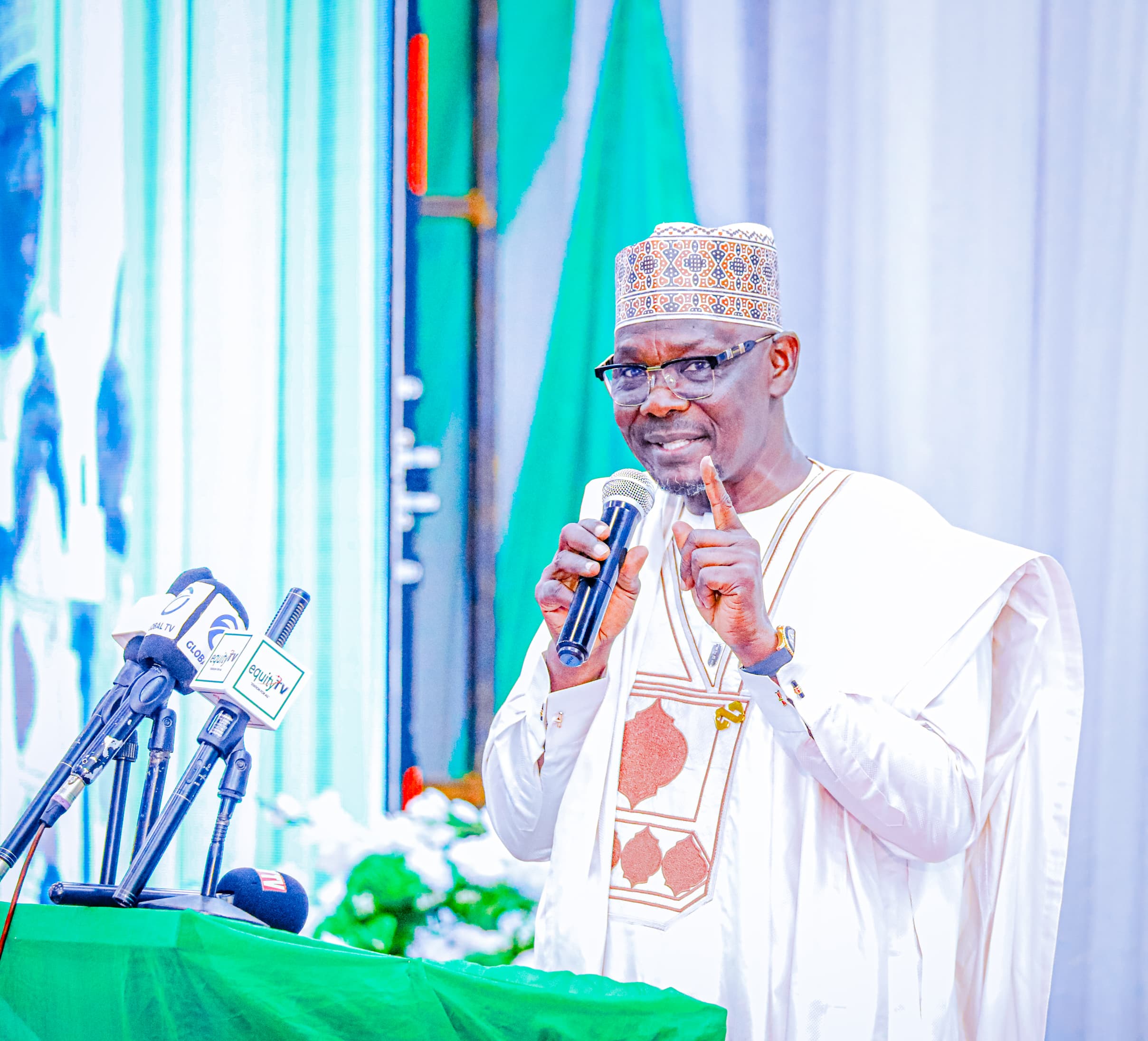
Nasarawa State Governor Abdullahi Sule has called on the Arewa Consultative Forum, Northern Nigeria Governors Forum, traditional rulers and the National Assembly to jointly propose legislation that will permanently end the almajiri system nationwide.
The governor made the call on Wednesday at the Summit on Enhancing Human Capital Development in Northern Nigeria, organized by the Sir Ahmadu Bello Memorial Foundation in collaboration with the Northern Nigeria Governors Forum.
The summit, themed “Reversing the Decline, Unleashing Potential for Northern Nigeria,” held at the NAF Conference Centre, Kado, Abuja.
Governor Sule described the almajiri system where children are sent away from families for Qur’anic education as a major driver of out-of-school children and insecurity in the North.
He recalled that in 2020, he and then-Kaduna Governor Nasir El-Rufai led an initiative to identify almajiri children in their states and return them to their states of origin. Nasarawa, which had over 200,000 almajiris at the time, repatriated them to Jigawa, Sokoto, Kano and other states.
The move drew criticism from the Arewa Consultative Forum, which accused the initiative of undermining Islamic practice. Governor Sule rejected the criticism, insisting leaders must speak uncomfortable truths to solve the region’s problems.
The governor disclosed that Nasarawa currently has 430,000 out-of-school children, 179,000 males and 251,000 females. He noted the state is comparatively better placed, given that of Nigeria’s 18 million out-of-school children, 15 million are in northern states while only 3 million are in the 17 southern states.
He linked the crisis directly to insecurity, saying many children recruited into banditry and other crimes are products of the almajiri system.
He also cautioned against underage marriage, arguing that citing the Prophet Muhammad’s marriage to Hajiya Fatima cannot justify the practice today.
He urged Nigerians to be guided instead by Surah An-Nisa, where Allah warns humanity to fear Him and treat orphans and women with justice.
Governor Sule commended President Bola Tinubu’s economic reforms, saying increased revenue to states is supporting human capital interventions.
However, he warned that ending the almajiri system in the North alone will not solve the problem if children are not absorbed through education and skills acquisition, as they may migrate elsewhere.
He charged the Director-General of the Sir Ahmadu Bello Memorial Foundation, Engr. Abubakar Gambo Umar, to convert the summit’s resolutions into a concrete proposal for the National Assembly and a meeting with the Office of the Vice President. “Northern leaders are tired of talking without action,” he said.
The governor also shared his personal background, noting he attended public school in Gudi, Nasarawa State, and trained as a certified welder at a public technical college. He said investment in technical and vocational skills can help Nigerian youths compete for specialized jobs.
Earlier, Engr. Gambo Umar said the summit was convened over poor human capital indices in the North, including high out-of-school numbers, low girls’ enrolment, and poverty. The Foundation’s Board of Trustees Chairman, Dr. Muazu Babangida Aliyu, said a Nigerian child is only 36% as productive as they could be with full access to education and healthcare, with the gap wider in the North where 78% of girls marry before age 18 and called for a funded human capital development compact.
Deputy Director of the Gates Foundation, Ekenem Isichei, urged northern states to treat health, nutrition and education as economic strategy, not social spending. UBEC Executive Secretary Dr. Aisha Garba said the commission’s matching grant formula now allocates 15% to early childhood education and urged states to stop politicizing teacher recruitment.