By Samson Obande, Lafia
He stood quietly by the bedside, eyes fixed on every tube, every monitor, every dial.
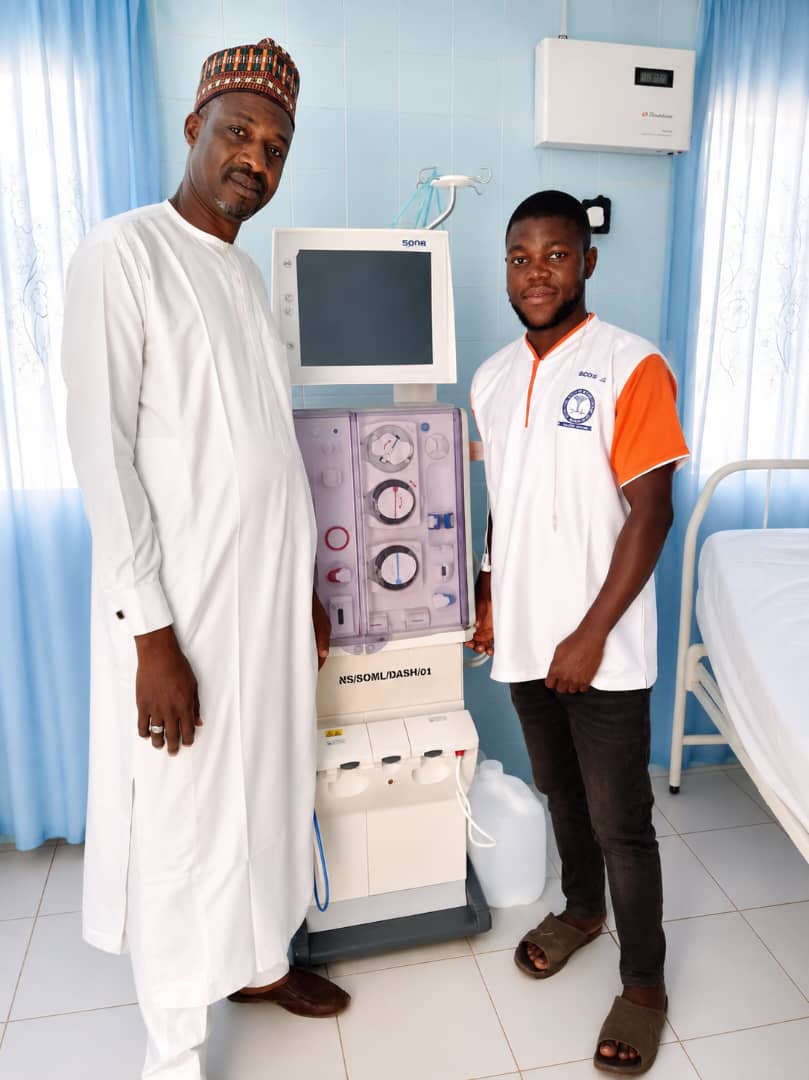
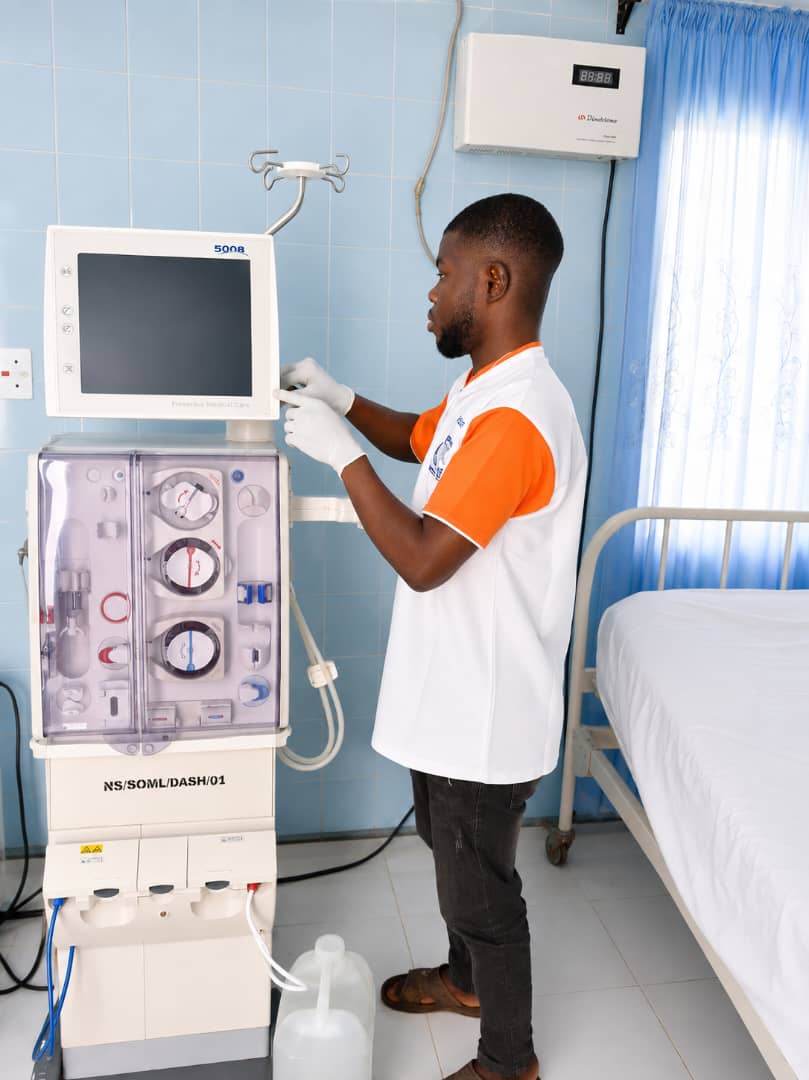
A 12-year-old patient at the Federal University Teaching Hospital, FUTH, Lafia was watching intently as Akoshi Joseph, a biomedical engineer, prepared a hemodialysis machine for his treatment.
When Akoshi finished, the boy looked up and asked, “Are you a doctor?”
Akoshi smiled. “No, I’m a biomedical engineer.”
“What does a biomedical engineer do?” the boy asked next.
Akoshi explained that biomedical engineers apply engineering principles to medicine. They design, test and maintain the life-saving equipment that hospitals depend on — from ventilators to dialysis units — to ensure they work safely and effectively for patients.
His eyes lit up.
Moments later, the boy’s father joined them and asked the question that changed the mood in the room: “Would you like to be a biomedical engineer when you grow up?”
Without hesitation, the boy answered: “Yes! It’s cool. Feels like you get to be both an engineer and a doctor at the same time.”
For Akoshi, that answer lingered long after he left the ward.
Biomedical engineering often works behind the scenes. But in hospitals across Nigeria, it is the reason critical equipment runs without failure.
“Every machine we maintain, every repair we complete, contributes to someone’s chance at healing,” Akoshi said.
Akoshi Joseph who hails from Agbashi, Doma Local Government Area just finished a one-year internship at Federal University Teaching Hospital Lafia after graduating from the Nasarawa State College of Health Science and Technology, Keffi.
In a health system where equipment downtime can mean the difference between life and death, biomedical engineers ensure continuity of care.
For Akoshi, the encounter was more than just another day on duty.
“If one simple conversation can open a 12-year-old’s eyes to the possibilities of this profession, then today was worth it,” he said.
He hopes the story reminds young Nigerians that science, engineering and compassion can come together to change lives — even from behind the machines.
“Here’s to my young patient,” Akoshi added, “and to every young mind discovering that you don’t have to choose between helping people and building the future. You can do both.”